The Trust Gap: What's Really Holding Your Team Back?
It may not be a cability issue. They don't trust enough to perform.
Friday, May 15 • 11 AM AEST | 1 PM NZST
About the Masterclass
If you’re seeing hesitation, silence, or surface-level collaboration in your team, this session will help you understand why and what to do about it.
Who is this session for?
This session is designed for senior managers and leaders of teams who:
Have capable people, but aren’t getting the performance they expect
Notice behaviours like holding back, avoiding feedback, or working in silos
Feel like something is “off” in the team, but can’t quite pinpoint what it is
Want practical ways to improve trust without having another forced morning tea

So what's the problem?
On the surface, your team looks functional.
But underneath, you're noticing:
People holding back information or concerns
A reluctance to ask for help
Feedback being avoided, softened, or ignored
Individuals working hard, but not working together effectively
These aren’t performance issues.
They’re trust issues.
And most leaders try to solve them the wrong way.
What's really going on...
Trust isn’t built through personality, likability, or “being nice.”
As highlighted in research from Adam Grant, "warmth is easy to fake. Trust is built through reliability and integrity over time."
In teams, trust shows up in very specific, observable ways.
When trust is low, you’ll often see:
Concealment of mistakes
Hesitation to speak up
Avoidance of accountability
Limited ownership of outcomes
When trust is high, teams:
Share openly
Ask for help early
Give and receive feedback
Take ownership beyond their role
The difference isn’t personality. It’s behaviour.
What you'll learn in this masterclass...
In this practical, evidence-informed session, you’ll learn:
How to Recognise the Early Signs of Low Trust. Move beyond gut feel and identify the behavioural indicators that matter.
The Three Drivers of Trust in Teams. Understand what actually builds trust at a team level.
Why “Being Friendly” Isn’t Enough ...and how over-indexing on harmony can quietly erode trust.
The Behaviours That Build (or Break) Trust
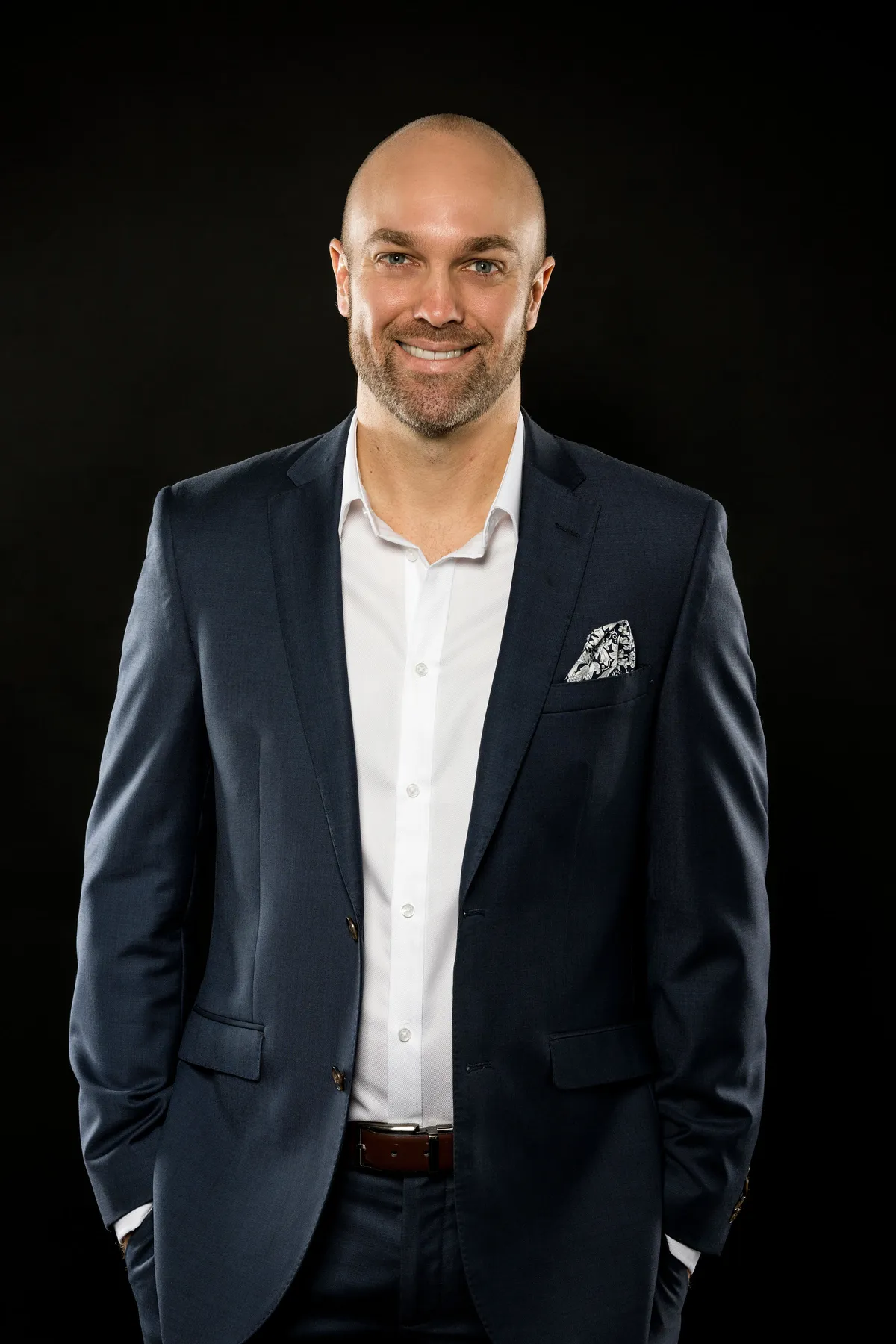
About the Host - Clifford Morgan
Organisational Psychologist | Author | Leadership Expert
Cliff is passionate about partnering with leaders and their organisations, helping them to unlock their potential and perform at their peak. A registered organisational psychologist with over a decade of service with the Royal Australian Air Force, he brings a wealth of experience that provides him a unique perspective to assist his clients. His approach combines his military discipline and focus with the application of psychology in a way that challenges mindsets, influences culture and empowers people.
As a coach, he has worked with military commanders, business leaders, lawyers, and professional services consultants. In a consulting capacity, he has experience in organisational culture, leadership development, employee engagement and peak performance programs. He derives great satisfaction in seeing those he works with achieve success, knowing that his contribution has made a difference.
Improved team trust starts here...
01
Join us for an engaging and relevant masterclass to elevate your leadership through effective strategies.
02
You'll learn practical tips and discover techniques to enhance your leadership approach.
03
Through the incremental application of learned techniques, see team trust increase and performance improve.